Domain lcvm.de kaufen?
Wir ziehen mit dem Projekt
lcvm.de um.
Sind Sie am Kauf der Domain
lcvm.de interessiert?
domain@kv-gmbh.de · 0541-91531010
Domain lcvm.de kaufen?
Was bedeutet "Indigo" bzw. "Indigo Girl"?
"Indigo" ist eine Farbe, die zwischen Blau und Violett liegt. "Indigo Girl" ist eine Bezeichnung für ein Mädchen oder eine Frau, die mit dieser Farbe assoziiert wird. Oft wird damit auch eine Person mit spirituellen oder mystischen Eigenschaften beschrieben. **
Ist Indigo schädlich?
Ist Indigo schädlich? Indigo ist an sich nicht schädlich, da es ein natürliches Farbstoff ist, der aus Pflanzen gewonnen wird. Allerdings können einige Menschen allergisch auf Indigo reagieren, was zu Hautirritationen führen kann. Zudem sollte beim Umgang mit Indigo darauf geachtet werden, dass es nicht eingeatmet oder verschluckt wird, da dies gesundheitsschädlich sein kann. Es ist daher wichtig, Indigo sicher zu lagern und zu verwenden, um mögliche Risiken zu minimieren. Es empfiehlt sich auch, vor der Verwendung von Indigo einen Allergietest durchzuführen, um unerwünschte Reaktionen zu vermeiden. **


Ähnliche Suchbegriffe für Rough-Trad-Indigo-the
Top-Angebote
Produkte zum Begriff Rough-Trad-Indigo-the:
-
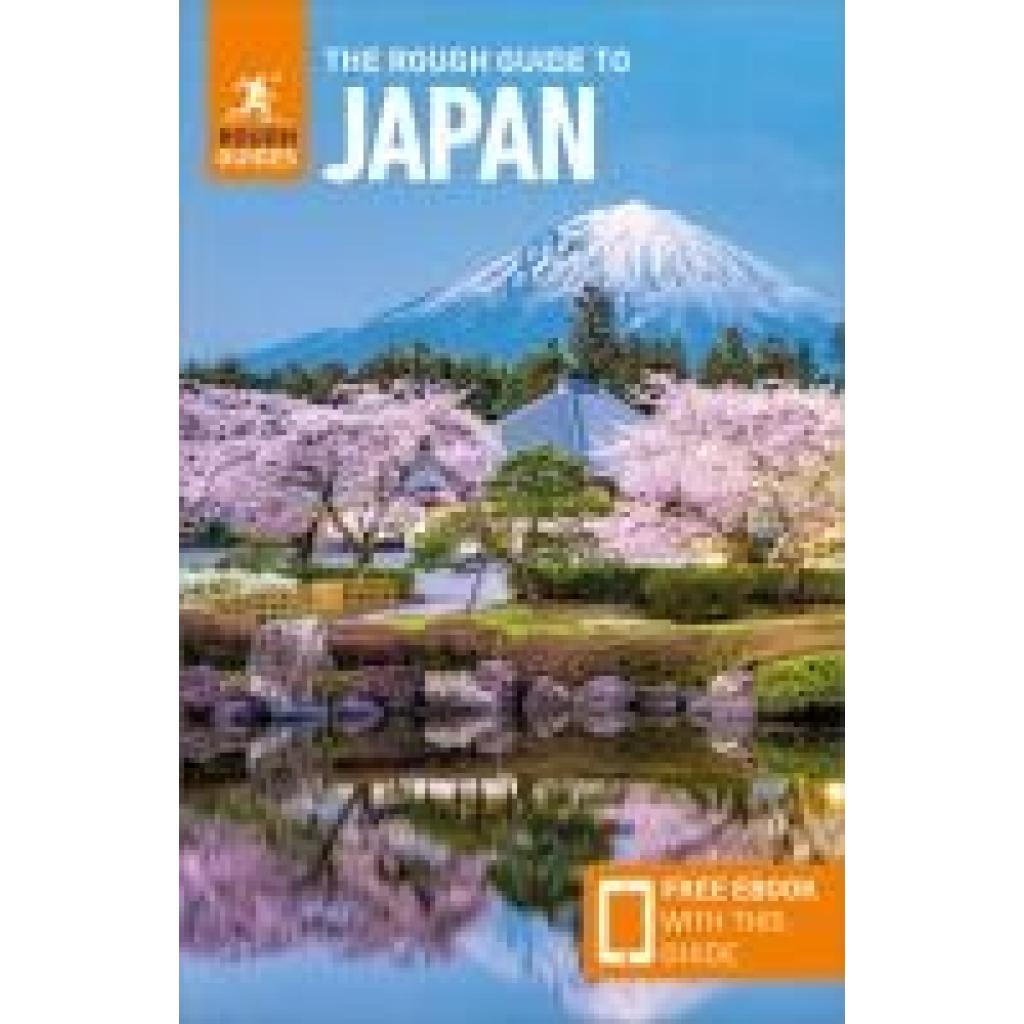
The Rough Guide to Japan: Travel Guide with eBookThe Rough Guide to Japan: Travel Guide with eBook , This Japan guidebook is perfect for independent travellers planning a longer trip. It features all of the must-see sights and a wide range of off-the-beaten-track places. It also provides detailed practical information on preparing for a trip and what to do on the ground. And this Japan travel guidebook is printed on paper from responsible sources, and verified to meet the FSC's strict environmental and social standards. This Japan guidebook covers: Tokyo (and around); Northern Honshu; Hokkaido; Central Honshu; Kyoto and Nara; Kansai; Western Honshu; Shikoku; Kyushu; Okinawa. Inside this Japan travel book, you'll find: - A wide range of sights - Rough Guides experts have hand-picked places for travellers with different needs and desires: off-the-beaten-track adventures, family activities or chilled-out breaks - Itinerary examples - created for different time frames or types of trip - Practical information - how to get to Japan, all about public transport, food and drink, shopping, travelling with children, sports and outdoor activities, tips for travellers with disabilities and more - Author picks and things not to miss in Japan - Ginkaku-ji Temple and Gardens, Kyoto; Nikko; Mount Fuji; Ryokan; Hiroshima's Peace Memorial Park; Roppongi at Night; Naoshima Island; Hiking the Northern Alps; Yaeyama Islands, Okinawa; Kaiyukan Aquarium - Insider recommendations - tips on how to beat the crowds, save time and money, and find the best local spots - When to go to Japan - high season, low season, climate information and festivals - Where to go - a clear introduction to Japan with key places and a handy overview - Extensive coverage of regions, places and experiences - regional highlights, sights and places for different types of travellers, with experiences matching different needs - Places to eat, drink and stay - hand-picked restaurants, cafes, bars and hotels - Practical info at each site - hours of operation, websites, transit tips, charges - Colour-coded mapping - with keys and legends listing sites categorised as highlights, eating, accommodation, shopping, drinking and nightlife - Background information for connoisseurs - history, culture, art, architecture, film, books, religion, diversity - Essential Japanese dictionary and glossary of local terms - Free download of the eBook - available after purchase of the printed guidebook to Japan - Fully updated post-COVID-19 The guide provides a comprehensive and rich selection of places to see and things to do in Japan, as well as great planning tools. It's the perfect companion, both ahead of your trip and on the ground. , > , Auflage: 9. Auflage, Erscheinungsjahr: 20240201, Produktform: Kartoniert, Titel der Reihe: Rough Guides Main Series##, Autoren: Binks, Tim~Hallett, Rebecca~Zatko, Martin, Redaktion: Guides, Rough, Auflage: 24009, Auflage/Ausgabe: 9. Auflage, Seitenzahl/Blattzahl: 848, Themenüberschrift: TRAVEL / Asia / East / Japan, Keyword: Japan; Japan travel; Japan travel guide; Japan travel guide book; Japan guidebook; Japan guide book; Japan guide; Japan travel guidebook; Japan travel book; rough guide Japan; rough guides Japan; Japan rough guide; Japan rough guides; lonely planet Japan; fodors Japan; frommers Japan; rick steves Japan; Japan tour, Fachschema: Englische Bücher / Reise / Asien~Japan / Reiseführer, Reisebeschreibung, Imprint-Titels: Rough Guides, Warengruppe: HC/Reiseführer/Kunstreiseführer/Asien, UNSPSC: 49019900, Warenverzeichnis für die Außenhandelsstatistik: 49019900, Länge: 199, Breite: 132, Höhe: 37, Gewicht: 676, Produktform: Kartoniert, Genre: Importe,24,01 €*Versand: 0,00 €Sichere Weiterleitung zum Anbieter


-
Ist Indigo eine Farbe?
Ist Indigo eine Farbe? Ja, Indigo ist eine Farbe im blauen Farbspektrum, die zwischen Blau und Violett liegt. Sie ist nach dem Indigofera tinctoria benannt, einer Pflanze, die zur Herstellung von blauem Farbstoff verwendet wird. Indigo wird oft in der Textilindustrie verwendet, um Stoffe zu färben. Es ist eine tiefe und kräftige Farbe, die oft mit Mystik und Spiritualität in Verbindung gebracht wird. **
-
Ist Indigo ein Farbstoff?
Ist Indigo ein Farbstoff? Ja, Indigo ist ein organischer Farbstoff, der aus der Indigo-Pflanze gewonnen wird. Es wird häufig für die Färbung von Textilien verwendet und hat eine charakteristische blaue Farbe. Indigo wurde schon seit Jahrhunderten für seine Färbeeigenschaften geschätzt und ist auch heute noch in der Textilindustrie weit verbreitet. Die Herstellung von Indigo kann auf verschiedene Weisen erfolgen, entweder durch Extraktion aus Pflanzen oder synthetisch in Laboren. **
-
Was ist Indigo Blau?
Indigo Blau ist eine dunkle, tiefblaue Farbe, die oft als Mischung aus Blau und Violett beschrieben wird. Sie ist nach der Indigopflanze benannt, aus der früher der Farbstoff Indigo gewonnen wurde. Indigo Blau wird oft in der Textilindustrie verwendet, um Stoffe zu färben. Es ist eine Farbe, die mit Ruhe, Tiefe und Spiritualität in Verbindung gebracht wird und in verschiedenen Kulturen eine symbolische Bedeutung hat. Indigo Blau wird auch oft in der Kunst und im Design verwendet, um eine elegante und raffinierte Atmosphäre zu schaffen. **
-
Warum ist Indigo farbig?
Indigo ist farbig, weil es ein tiefes Blauviolett ist, das durch die Absorption von Licht in einem bestimmten Wellenlängenbereich entsteht. Die Farbe entsteht durch die chemische Struktur des Indigo-Farbstoffs, der in Pflanzen wie der Indigofera tinctoria vorkommt. Diese spezielle Molekülstruktur absorbiert Licht im sichtbaren Spektrum und reflektiert nur die blauvioletten Wellenlängen, was unsere Augen als Indigofarbe wahrnehmen. Die Farbe Indigo hat eine lange Geschichte als natürlicher Farbstoff und wird auch heute noch in der Textilindustrie verwendet. Warum genau Indigo diese spezielle Farbe hat, hängt mit den chemischen Bindungen und Elektronenkonfigurationen in seinem Molekül zusammen. **


Welche Bedeutung hat Indigo?
Indigo ist eine Farbe, die zwischen Blau und Violett liegt und oft als tiefes, kräftiges Blau wahrgenommen wird. In der Esoterik wird Indigo oft mit spiritueller Erkenntnis, Intuition und innerer Weisheit in Verbindung gebracht. Es gibt auch die sogenannten Indigo-Kinder, die als besonders sensibel, intuitiv und spirituell gelten. In der Farbpsychologie wird Indigo mit Tiefe, Ruhe und Klarheit assoziiert. In der Mode und im Design wird Indigo oft als Farbton für Denimstoffe verwendet. **
Ist Indigo eine Pflanze?
Ist Indigo eine Pflanze? Indigo ist eigentlich keine Pflanze, sondern ein Farbstoff, der aus verschiedenen Pflanzen gewonnen wird, wie z.B. der Indigofera tinctoria. Diese Pflanze wird hauptsächlich in Indien, China und anderen asiatischen Ländern angebaut. Der Farbstoff Indigo wird aus den Blättern der Pflanze extrahiert und für die Färbung von Stoffen verwendet. In der Natur kommt Indigo als Farbstoff in verschiedenen Pflanzen vor, aber es ist nicht direkt eine Pflanze an sich. **
Top-Angebote
Produkte zum Begriff Rough-Trad-Indigo-the:
-
The Rough Guide to Peru: Travel Guide with eBookThe Rough Guide to Peru: Travel Guide with eBook , Ideal for independent travellers, this guidebook to Peru, written by destination experts, combines must-see sights with hidden gems and offers essential tips for both planning and on-the-ground adventures. It's sustainably printed to ensure environmental responsibility. Inside this Peru travel book, you'll find: - Regional deep dive - coverage of key regions, offering a rich selection of places and experiences, and honest reviews of each one - Itinerary samples - designed for various durations and interests - Practical information - tips on how to get there and get around, use public transport, beat the crowds, save time and money, travel responsibly and more - Expert recommendations - insider advice on where to eat, drink, and stay, alongside tips for nightlife and outdoor activities - Seasonal tips - when to go to Peru, climate details, and festival highlights to plan your perfect trip - Must-See pick - a curated selection of not-to-miss sights as chosen by our authors - hiking to Machu Picchu, Peruvian wildlife, Kuélap, Pisco Sour, Lago Titicaca, Cañón Del Colca, ceviche, Arequipa, Iquitos, Valle De Las Pirámides - Navigational maps - colour-coded maps highlighting essential spots for dining, accommodation, shopping and entertainment - Cultural insights - engaging stories delve into the local culture, history, arts and more, enriching your understanding of Peru - Language essentials - a handy dictionary and glossary to help you communicate and connect with locals - Inspiring travel photography - full-colour pictures capture the essence of Peru, bringing each location to life and fuelling your wanderlust - Bonus eBook - Free download with purchase, offering digital access to our comprehensive guide - Coverage includes: Lima, Nazca, Arequipa, Lago Titicaca, Cusco, The Central Sierra, Huaraz, The Cordilleras, The Ancash Coast, Trujillo, The Amazon Basin , > , Auflage: 11. Auflage, Erscheinungsjahr: 20240601, Produktform: Kartoniert, Titel der Reihe: Rough Guides Main Series##, Autoren: Kelin, Allan~Nelson, Matthew~Wallace, Chris, Redaktion: Guides, Rough, Auflage: 24011, Auflage/Ausgabe: 11. Auflage, Seitenzahl/Blattzahl: 520, Themenüberschrift: TRAVEL / South America / Peru, Keyword: Peru; Peru travel; Peru travel guide; Peru travel guide book; Peru guidebook; Peru guide book; Peru guide; Peru travel guidebook; Peru travel book; rough guide Peru; rough guides Peru; Peru rough guide; Peru rough guides; lonely planet Peru; fodors Peru; frommers Peru; rick steves Peru; Peru tour, Fachschema: Peru / Reiseführer, Wanderführer, Imprint-Titels: Rough Guides, Warengruppe: HC/Reiseführer/Kunstreiseführer/Südamerika, UNSPSC: 49019900, Warenverzeichnis für die Außenhandelsstatistik: 49019900, Länge: 198, Breite: 131, Höhe: 27, Gewicht: 486, Produktform: Kartoniert, Genre: Importe,20,43 €*Versand: 0,00 €Sichere Weiterleitung zum Anbieter
-
The Rough Guide to Japan: Travel Guide with eBookThe Rough Guide to Japan: Travel Guide with eBook , This Japan guidebook is perfect for independent travellers planning a longer trip. It features all of the must-see sights and a wide range of off-the-beaten-track places. It also provides detailed practical information on preparing for a trip and what to do on the ground. And this Japan travel guidebook is printed on paper from responsible sources, and verified to meet the FSC's strict environmental and social standards. This Japan guidebook covers: Tokyo (and around); Northern Honshu; Hokkaido; Central Honshu; Kyoto and Nara; Kansai; Western Honshu; Shikoku; Kyushu; Okinawa. Inside this Japan travel book, you'll find: - A wide range of sights - Rough Guides experts have hand-picked places for travellers with different needs and desires: off-the-beaten-track adventures, family activities or chilled-out breaks - Itinerary examples - created for different time frames or types of trip - Practical information - how to get to Japan, all about public transport, food and drink, shopping, travelling with children, sports and outdoor activities, tips for travellers with disabilities and more - Author picks and things not to miss in Japan - Ginkaku-ji Temple and Gardens, Kyoto; Nikko; Mount Fuji; Ryokan; Hiroshima's Peace Memorial Park; Roppongi at Night; Naoshima Island; Hiking the Northern Alps; Yaeyama Islands, Okinawa; Kaiyukan Aquarium - Insider recommendations - tips on how to beat the crowds, save time and money, and find the best local spots - When to go to Japan - high season, low season, climate information and festivals - Where to go - a clear introduction to Japan with key places and a handy overview - Extensive coverage of regions, places and experiences - regional highlights, sights and places for different types of travellers, with experiences matching different needs - Places to eat, drink and stay - hand-picked restaurants, cafes, bars and hotels - Practical info at each site - hours of operation, websites, transit tips, charges - Colour-coded mapping - with keys and legends listing sites categorised as highlights, eating, accommodation, shopping, drinking and nightlife - Background information for connoisseurs - history, culture, art, architecture, film, books, religion, diversity - Essential Japanese dictionary and glossary of local terms - Free download of the eBook - available after purchase of the printed guidebook to Japan - Fully updated post-COVID-19 The guide provides a comprehensive and rich selection of places to see and things to do in Japan, as well as great planning tools. It's the perfect companion, both ahead of your trip and on the ground. , > , Auflage: 9. Auflage, Erscheinungsjahr: 20240201, Produktform: Kartoniert, Titel der Reihe: Rough Guides Main Series##, Autoren: Binks, Tim~Hallett, Rebecca~Zatko, Martin, Redaktion: Guides, Rough, Auflage: 24009, Auflage/Ausgabe: 9. Auflage, Seitenzahl/Blattzahl: 848, Themenüberschrift: TRAVEL / Asia / East / Japan, Keyword: Japan; Japan travel; Japan travel guide; Japan travel guide book; Japan guidebook; Japan guide book; Japan guide; Japan travel guidebook; Japan travel book; rough guide Japan; rough guides Japan; Japan rough guide; Japan rough guides; lonely planet Japan; fodors Japan; frommers Japan; rick steves Japan; Japan tour, Fachschema: Englische Bücher / Reise / Asien~Japan / Reiseführer, Reisebeschreibung, Imprint-Titels: Rough Guides, Warengruppe: HC/Reiseführer/Kunstreiseführer/Asien, UNSPSC: 49019900, Warenverzeichnis für die Außenhandelsstatistik: 49019900, Länge: 199, Breite: 132, Höhe: 37, Gewicht: 676, Produktform: Kartoniert, Genre: Importe,24,01 €*Versand: 0,00 €Sichere Weiterleitung zum Anbieter
-
Was bedeutet "Indigo" bzw. "Indigo Girl"?
"Indigo" ist eine Farbe, die zwischen Blau und Violett liegt. "Indigo Girl" ist eine Bezeichnung für ein Mädchen oder eine Frau, die mit dieser Farbe assoziiert wird. Oft wird damit auch eine Person mit spirituellen oder mystischen Eigenschaften beschrieben. **
-
Ist Indigo schädlich?
Ist Indigo schädlich? Indigo ist an sich nicht schädlich, da es ein natürliches Farbstoff ist, der aus Pflanzen gewonnen wird. Allerdings können einige Menschen allergisch auf Indigo reagieren, was zu Hautirritationen führen kann. Zudem sollte beim Umgang mit Indigo darauf geachtet werden, dass es nicht eingeatmet oder verschluckt wird, da dies gesundheitsschädlich sein kann. Es ist daher wichtig, Indigo sicher zu lagern und zu verwenden, um mögliche Risiken zu minimieren. Es empfiehlt sich auch, vor der Verwendung von Indigo einen Allergietest durchzuführen, um unerwünschte Reaktionen zu vermeiden. **
-
Ist Indigo eine Farbe?
Ist Indigo eine Farbe? Ja, Indigo ist eine Farbe im blauen Farbspektrum, die zwischen Blau und Violett liegt. Sie ist nach dem Indigofera tinctoria benannt, einer Pflanze, die zur Herstellung von blauem Farbstoff verwendet wird. Indigo wird oft in der Textilindustrie verwendet, um Stoffe zu färben. Es ist eine tiefe und kräftige Farbe, die oft mit Mystik und Spiritualität in Verbindung gebracht wird. **
-
Ist Indigo ein Farbstoff?
Ist Indigo ein Farbstoff? Ja, Indigo ist ein organischer Farbstoff, der aus der Indigo-Pflanze gewonnen wird. Es wird häufig für die Färbung von Textilien verwendet und hat eine charakteristische blaue Farbe. Indigo wurde schon seit Jahrhunderten für seine Färbeeigenschaften geschätzt und ist auch heute noch in der Textilindustrie weit verbreitet. Die Herstellung von Indigo kann auf verschiedene Weisen erfolgen, entweder durch Extraktion aus Pflanzen oder synthetisch in Laboren. **
Ähnliche Suchbegriffe für Rough-Trad-Indigo-the
-
Was ist Indigo Blau?
Indigo Blau ist eine dunkle, tiefblaue Farbe, die oft als Mischung aus Blau und Violett beschrieben wird. Sie ist nach der Indigopflanze benannt, aus der früher der Farbstoff Indigo gewonnen wurde. Indigo Blau wird oft in der Textilindustrie verwendet, um Stoffe zu färben. Es ist eine Farbe, die mit Ruhe, Tiefe und Spiritualität in Verbindung gebracht wird und in verschiedenen Kulturen eine symbolische Bedeutung hat. Indigo Blau wird auch oft in der Kunst und im Design verwendet, um eine elegante und raffinierte Atmosphäre zu schaffen. **
-
Warum ist Indigo farbig?
Indigo ist farbig, weil es ein tiefes Blauviolett ist, das durch die Absorption von Licht in einem bestimmten Wellenlängenbereich entsteht. Die Farbe entsteht durch die chemische Struktur des Indigo-Farbstoffs, der in Pflanzen wie der Indigofera tinctoria vorkommt. Diese spezielle Molekülstruktur absorbiert Licht im sichtbaren Spektrum und reflektiert nur die blauvioletten Wellenlängen, was unsere Augen als Indigofarbe wahrnehmen. Die Farbe Indigo hat eine lange Geschichte als natürlicher Farbstoff und wird auch heute noch in der Textilindustrie verwendet. Warum genau Indigo diese spezielle Farbe hat, hängt mit den chemischen Bindungen und Elektronenkonfigurationen in seinem Molekül zusammen. **
-
Welche Bedeutung hat Indigo?
Indigo ist eine Farbe, die zwischen Blau und Violett liegt und oft als tiefes, kräftiges Blau wahrgenommen wird. In der Esoterik wird Indigo oft mit spiritueller Erkenntnis, Intuition und innerer Weisheit in Verbindung gebracht. Es gibt auch die sogenannten Indigo-Kinder, die als besonders sensibel, intuitiv und spirituell gelten. In der Farbpsychologie wird Indigo mit Tiefe, Ruhe und Klarheit assoziiert. In der Mode und im Design wird Indigo oft als Farbton für Denimstoffe verwendet. **
-
Ist Indigo eine Pflanze?
Ist Indigo eine Pflanze? Indigo ist eigentlich keine Pflanze, sondern ein Farbstoff, der aus verschiedenen Pflanzen gewonnen wird, wie z.B. der Indigofera tinctoria. Diese Pflanze wird hauptsächlich in Indien, China und anderen asiatischen Ländern angebaut. Der Farbstoff Indigo wird aus den Blättern der Pflanze extrahiert und für die Färbung von Stoffen verwendet. In der Natur kommt Indigo als Farbstoff in verschiedenen Pflanzen vor, aber es ist nicht direkt eine Pflanze an sich. **
* Alle Preise verstehen sich inklusive der gesetzlichen Mehrwertsteuer und ggf. zuzüglich Versandkosten. Die Angebotsinformationen basieren auf den Angaben des jeweiligen Shops und werden über automatisierte Prozesse aktualisiert. Eine Aktualisierung in Echtzeit findet nicht statt, so dass es im Einzelfall zu Abweichungen kommen kann. ** Hinweis: Teile dieses Inhalts wurden von KI erstellt.